Why January 1st became the start of the year: history and traditions
We explore how the tradition of celebrating New Year on January 1st was formed and why this calendar date has ancient Roman roots.
 🎭Culture & Sport
Photo: TSN
Key points
- History of the January 1st date
- The role of the Julian and Gregorian calendars
- Diversity of New Year customs worldwide
From ancient rituals to the modern calendar
The tradition of marking the beginning of the new year on January 1st has not been constant over the millennia. In ancient times, various peoples linked this event to natural cycles: river flooding, the spring equinox, or lunar phases. For example, in Babylon, the Akitu festival lasted 11 days, while in Ancient Egypt, the start of the new period depended on the flooding of the Nile.
The modern date was established thanks to the reforms of Julius Caesar, who introduced the Julian calendar in 46 BC. The month of January was named after the god Janus, who symbolized transitions and beginnings, possessing two faces: one looking into the past, the other into the future.
Evolution of timekeeping and global customs
Despite the reforms, medieval Europe used different dates for the start of the year, including Christmas or the Annunciation. The universality of January 1st became generally accepted only after the introduction of the Gregorian calendar by Pope Gregory XIII in 1582.
Today, the world demonstrates a diversity of approaches to the holiday. While most countries follow the Gregorian style, there are also alternative traditions, such as the Chinese New Year, Rosh Hashanah, or the Islamic calendar. Each culture has its unique customs: from eating 12 grapes in Spain to the 108 bell tolls in Japanese temples.
Source TSN — tsn.ua/tsikavinki/koly-sviatkuiut-novyy-rik-chomu-data-prypadaye-na-1-s… ↗
Read next
 🛡️Security
Western Intelligence Warns of Russian Plans to Deploy Nuclear Weapons in Space This Year
According to Western intelligence, Russia is preparing to deploy a satellite equipped with a nuclear warhead to orbit, posing a global threat to space infrastructure.
 🎓Education
Oleksandr Usyk Swaps Sports in London and Challenges Scottie Pippen to a Boxing Match
Ukrainian boxer Oleksandr Usyk participated in a charity basketball match in London, sharing the court with NBA legend Scottie Pippen.
 🏛️Politics
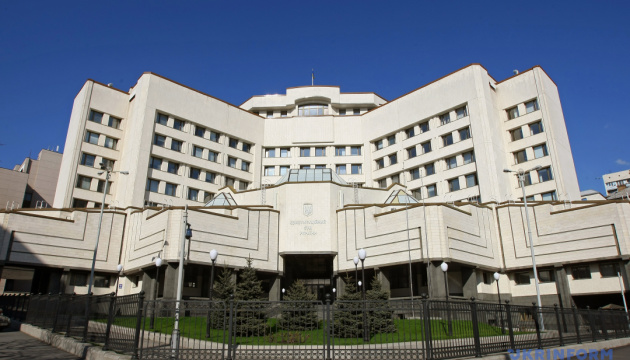
Ukraine's Constitutional Court Facing Quorum Risk Amid Severe Judicial Vacancies
The Constitutional Court of Ukraine is operating at the absolute minimum quorum of 12 judges following the retirement of Judge Viktor Horodovenko. Vacancies threaten to s…
 🎓Education
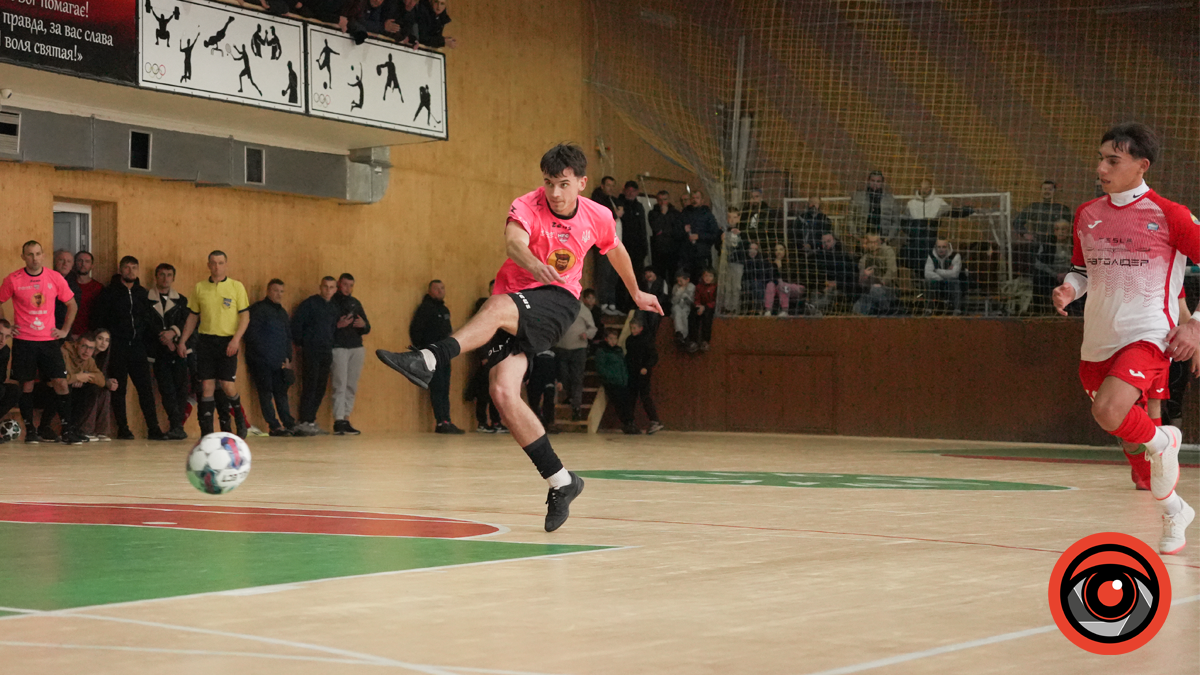
Three Kalush teams to compete for the Ivano-Frankivsk Oblast Futsal Cup
Preparations are underway for the Ivano-Frankivsk Oblast Futsal Cup 2026/2027, with three local teams representing Kalush.
 🇺🇦Ukraine
The New US Congress and Ukraine Support in 2027: What to Expect
The Democratic Party's takeover of both chambers of the US Congress alters the balance of power in Washington, increasing legislative oversight over foreign policy and ai…
 🚨Events
Rescuers Promptly Extinguish Car Fire in Verkhovyna Region
On Sunday morning, a passenger car caught fire on a private property in the Verkhovyna district. Firefighters quickly extinguished the blaze with no injuries reported.