Microplastics Found to be Chemically Active: New Health Risks
Scientists have discovered that microplastics in water can trigger chemical reactions that damage cellular structures.
 🩺Health
Photo: TSN
Key points
- Microplastics trigger the formation of reactive oxygen molecules
- Polyethylene and polypropylene are the most chemically active
- Heating plastic accelerates the release of harmful particles
Researchers from Columbia and the University of California, Berkeley, have found that microplastics are not merely passive pollutants. When interacting with water, plastic particles trigger the formation of reactive oxygen species capable of damaging proteins and DNA.
Mechanism of Impact on Organisms
During laboratory experiments, scientists demonstrated that chemical processes occurring on the surface of plastics negatively affect living cells. Specifically, tests involving mouse erythrocytes showed cell membrane damage and hemoglobin release. Polyethylene and polypropylene were found to be the most active materials.
Experts emphasize that risks increase when plastic containers are heated in microwaves or when bottles are left in the sun for long periods. Such conditions accelerate the breakdown of materials into smaller fragments, increasing the surface area where these chemical reactions occur.
Source TSN — tsn.ua/zdorovya/mikroplastyk-vyiavyvsia-nebezpechnishym-niz-vvazaly-shc… ↗
Read next
 🛡️Security
Lithuania denies Russian accusations regarding use of airspace for drone attacks
The Lithuanian Ministry of Foreign Affairs has officially refuted claims by Russian authorities about the alleged launch of drones from the country's territory.
 👥Society
Changing Interior Trends: How to Optimize Kitchen Space
Designers suggest moving away from massive dining sets in favor of compact solutions that resemble cozy cafes.
 🛡️Security
Explosions and smoke reported in Russia's Krasnodar following drone attack
On the night of November 22, Krasnodar was targeted by drones, leading to airport flight restrictions and a fire near a Russian National Guard facility.
 🇺🇦Ukraine
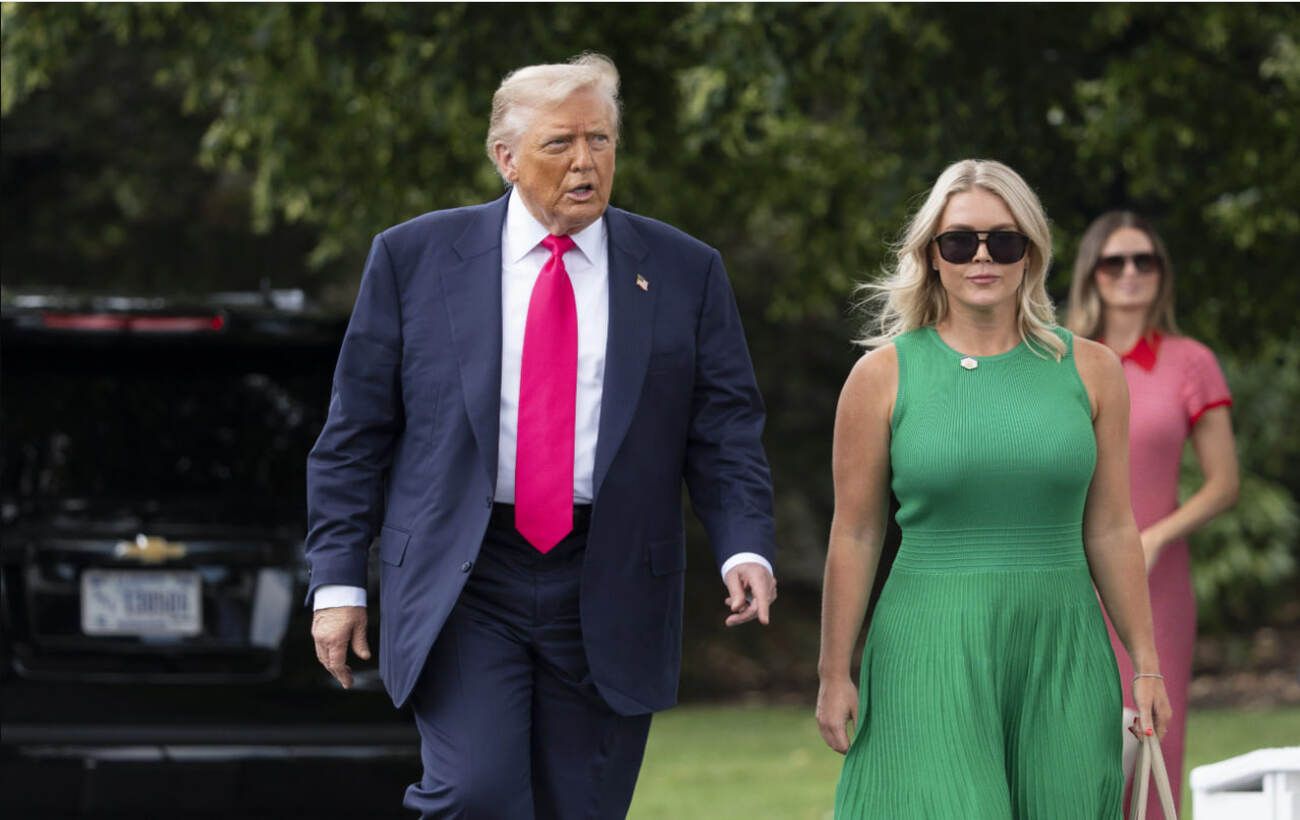
Donald Trump comments on the departure of White House press secretary Caroline Leavitt
President Donald Trump discussed administrative staffing challenges following the resignation of press secretary Caroline Leavitt for family reasons.
 🚨Events
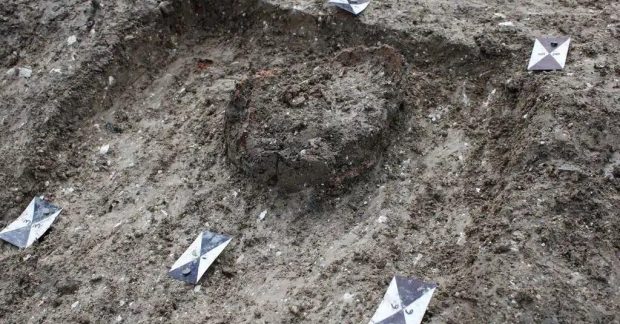
Archaeological discovery in Britain: unique 1,700-year-old infant burial
British archaeologists have unearthed a rare infant burial in a ceramic vessel, accompanied by ritual offerings.
 🎭Culture & Sport
Hair Care Secrets: Japanese Methods for Scalp Health
Experts reveal the specifics of the Japanese approach to hair care, based on massage and gentle cleansing.