Biological sensation: unique 'dragon balls' discovered in deep-sea mollusks
Researchers have identified previously unknown cellular structures in marine mollusks that help them survive in the extreme conditions of the deep ocean.
 💡Tech
Photo: UNIAN
Key points
- New cellular structures discovered in deep-sea mollusks
- Bacteria in 'dracosphaeras' use chemosynthesis for survival
- Structures may be specialized organelles for symbiosis
Scientists have made an unexpected discovery while studying deep-sea mollusks. Complex cellular formations have been found in their digestive glands, dubbed "dracosphaeras" or "dragon balls" due to their specific shape and internal structure.
Complex biological mechanisms
Under a microscope, it was revealed that each structure is surrounded by dozens of membranes and contains entire colonies of symbiotic bacteria. These microorganisms are capable of chemosynthesis—converting sulfur compounds into energy—which allows the mollusks to thrive in total darkness and nutrient-poor environments.
Researchers suggest that these "dracosphaeras" may be the first known example of organelles specialized in supporting chemosynthetic symbiosis. This represents a unique evolutionary mechanism not previously observed in similar animal species.
The mystery of function
Currently, researchers are considering two main hypotheses regarding the purpose of these structures. First, the absence of lysosomes inside the "balls" suggests that bacteria are released only after reaching a certain stage of development. Second, the complex membrane shell may act as a barrier to conserve oxygen, which is a critically limited resource in deep-sea sediments.
Source UNIAN — unian.ua/science/zagadkovi-drakonyachi-kuli-v-organizmi-molyuska-zd… ↗
Read next
 🩺Health
Demographic Crisis and the Consequences of War: Expert Perspective on Ukraine's Population Future
Demographer Oleksandr Gladun highlights the direct link between the country's territorial integrity and population stabilization, warning about the aggressor's strategic …
 💼Economy
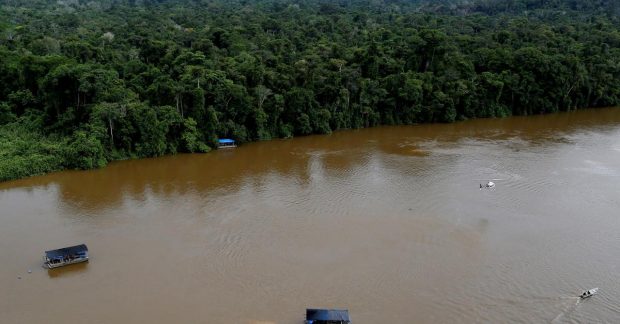
Amazon Research: How Climate Change Threatens the Planet's Ecosystem
Scientists warn of the critical vulnerability of the Amazon rainforest due to a combination of human impact and climate anomalies.
 🏛️Politics
Finland Seeks Over €25 Billion in Compensation from Russia and Gazprom
Finnish enforcement authorities are processing unprecedented claims to recover multi-billion euro damages from Russian entities.
 🏛️Politics
Donald Trump shares photos with Vladimir Putin on social media
Former US President Donald Trump has published a series of photographs from his meetings with world leaders, including the Russian ruler.
 🏛️Politics
Russian Foreign Ministry opposes Kaja Kallas' participation in Ukraine peace talks
The Russian Foreign Ministry has openly stated its opposition to the involvement of EU foreign policy chief Kaja Kallas in potential negotiations to end the war in Ukrain…
 🛡️Security
NATO guarantees protection of Poland following airspace violations
NATO Secretary General Mark Rutte has affirmed the Alliance's commitment to defend every inch of Polish territory following reports of Russian objects entering its airspa…