New Challenges for Maritime Logistics: Incidents in Libya and the Gulf of Finland Expose Global Vulnerabilities
A series of emergencies involving Russian vessels in Libya and the Gulf of Finland highlights significant risks to Russia's remote military supply lines.
 🛡️Security
Photo: UNIAN
Key points
- Explosion on a Russian vessel in the port of Benghazi, Libya
- Fire aboard the cargo ship Sparta II in the Gulf of Finland
- Strategic importance of Libyan ports for Russia's African presence
- Changing nature of modern maritime warfare and rear vulnerability
In late November 2026, a series of concerning incidents for Russian military logistics unfolded across different regions of the globe. Specifically, a powerful explosion rocked a naval base in the Libyan port of Benghazi, affecting a docked Russian vessel. Although local rescue services initially reported ammunition detonation, it later became clear that the blast occurred directly on board the ship. This event drew attention to Benghazi's strategic importance as a vital stronghold for Moscow's presence in Africa.
Vulnerability of Rear Routes and Global Logistics
Ports and airfields in eastern Libya, where Russia cooperates with Khalifa Haftar's forces, play a crucial role in moving equipment, personnel, and material resources. They maintain the connection between the Mediterranean and other African nations. However, just a day prior, on November 21, a similar incident occurred in the Gulf of Finland, where the Russian cargo vessel Sparta II, owned by 'Oboronlogistika', caught fire. These back-to-back cases demonstrate serious security flaws in maritime transport tied to military supply chains.
Modern technologies and the rise of unmanned systems blur the line between the rear and the frontline, rendering previously secure facilities vulnerable.
Such occurrences shatter conventional assumptions about the security of military staging grounds located thousands of miles from active combat zones. The development of remote strike capabilities, sabotage technologies, and intelligence means that Russian vessels can no longer rely on geographic isolation for safety. For the Kremlin, this translates into increased costs for port security, enhanced anti-sabotage measures, and better protection for overseas naval deployments.
Source UNIAN — unian.ua/war/nova-geografiya-viyni-na-mori-ekszastupnik-golovi-sbu-… ↗
Read next
 🇺🇦Ukraine
A historical discovery from farming: how a plowed field revealed a legendary English king's jewel
A historic find made by a British farmer during fieldwork in the late 17th century remains a subject of fascination and scholarly debate due to its mysterious inscription…
 🧠AI Analysis
EU Ambassador Mathernová Slams Russia’s 'Peace' Claims Following Deadly Strikes Across Ukraine
EU Ambassador Katarína Mathernová condemned recent Russian attacks on Kyiv region and called Moscow's peace claims false. Over the past week, Russian forces targeted 20 U…
 🧠AI Analysis
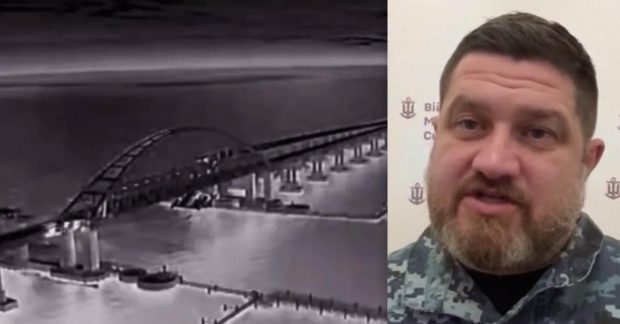
Successful Strike on Crimean Bridge Blocks Kerch Strait: Russia Unlikely to Quickly Lift Fallen Arch
The strike on the Crimean Bridge caused an arch to collapse into the water, blocking navigation while a lack of Western tech hinders recovery efforts.
 ⚽Sport
Oleksandr Shovkovskyi undertakes internship at Dutch club Ajax after leaving Dynamo Kyiv
Former Dynamo Kyiv manager Oleksandr Shovkovskyi spent a week at the training base of Dutch powerhouse Ajax, exploring the club's inner workings and training methodology.
 🧠AI Analysis
Strike on Novoshakhtinsk Oil Refinery: Logistics and Frontline Implications
On the night of November 23, Ukrainian Defense Forces delivered a successful strike on the Novoshakhtinsk Oil Refinery in Rostov Oblast, confirmed by satellite imagery.
 🧠AI Analysis
SSU officially comments on Alpha special forces presence near detention center during General Duka's release
The Security Service of Ukraine confirmed the lawful presence of Alpha special operations unit officers near the detention center, while refraining from details regarding…