How Much Water to Drink Daily for Healthy Blood Pressure: Cardiologists Explain
Leading cardiologists and vascular surgeons explain how hydration impacts blood pressure and share optimal daily fluid intake guidelines.
 🩺Health
Photo: UNIAN
Key points
- Dehydration reduces blood volume and can cause dizziness or pressure drops
- The body compensates for fluid loss by releasing vasopressin and constricting vessels
- Recommended daily intake is roughly 2.1 liters for women and 3.1 liters for men
- Excessive fluid intake can also spike blood pressure in vulnerable populations
Maintaining stable blood pressure is a key component of long-term wellness, yet people often overlook simple lifestyle habits like proper hydration. Recent insights published by health experts in Health shed light on the direct relationship between water intake and the cardiovascular system.
How Dehydration Affects Blood Pressure
According to medical professionals, blood is primarily composed of water, meaning that fluid deficits directly alter overall circulating blood volume. When the body is dehydrated, blood volume decreases, which can trigger low blood pressure — particularly when standing up quickly. This is precisely why dehydration frequently leads to sudden dizziness.
Conversely, the body triggers a compensatory response to fluid shortages by releasing vasopressin. This hormone helps the kidneys retain water while constricting blood vessels, which can ultimately cause blood pressure to rise. Therefore, inadequate hydration can paradoxically result in both dropping and spiking blood pressure readings.
Optimal Daily Intake and Important Cautions
Experts suggest that women generally need about 9 cups (roughly 2.1 liters) of water daily, while men require about 13 cups (roughly 3.1 liters). However, specialists emphasize that individual needs can vary significantly based on activity levels, climate, and personal health status.
At the same time, overhydrating carries its own risks. Consuming excessive amounts of fluids can artificially increase blood volume and cause sharp blood pressure fluctuations. This can be dangerous for older adults and individuals with underlying heart, liver, or kidney conditions. Cardiologists remind the public that proper hydration is a beneficial habit, but it must be combined with a healthy diet, reduced sodium intake, and regular medical oversight.
Source UNIAN — unian.ua/health/shcho-bude-yakshcho-piti-duzhe-malo-vodi-kardiologi… ↗
Read next
 🚨Events
Brutal Murder and Body Concealment in Kalush District: Court Delivers Verdict
A local court in Kalush sentenced two men to 14 and 10.5 years in prison with asset confiscation for a brutal murder and armed robbery committed in April 2024.
 🧠AI Analysis
Arctic blast: significant frost approaching regions neighboring Ukraine
Meteorologists forecast a sharp drop in temperatures across Central Europe in late November as Arctic air masses move in.
 🧠AI Analysis
Strike on Russian Vessels in Libya: How Geopolitical Shifts Could Impact Kremlin's War Resources
The destruction of Russian ships in Libya creates new logistical challenges for Moscow and may force a reallocation of resources from the war in Ukraine.
 🧠AI Analysis
Alcaraz Dominates ATP Finals: Unbeaten Run and Emerging Talents
Carlos Alcaraz secured the ATP Finals title with a flawless performance and 14 consecutive wins, overcoming physical challenges to confirm his top-tier status.
 👥Society
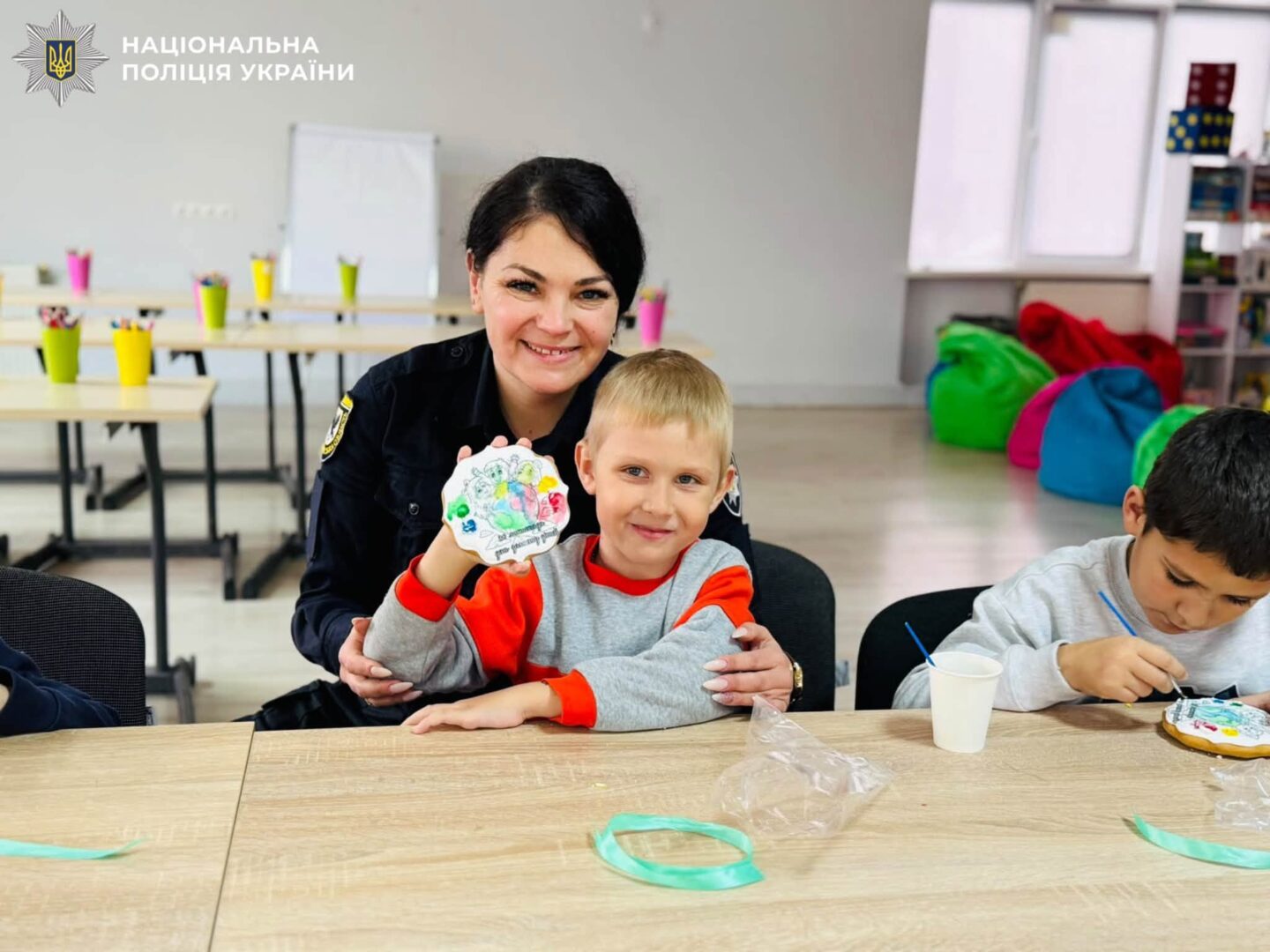
In Dolyna near Kalush, children learned about their rights through decorating gingerbread cookies
Educational safety police officers of Prykarpattia organized a creative workshop for children at the Dolyna city library. During the event, participants decorated gingerb…
 🚨Events
Traffic accident in Bolekhiv: passenger hospitalized after Volkswagen and Renault collision
A traffic accident involving two cars occurred in Bolekhiv, Ivano-Frankivsk region, resulting in one passenger being hospitalized.